
The trench warfare of internet familiarity
𝗧𝗵𝗲 𝘃𝗮𝘀𝘁 𝗺𝗮𝗷𝗼𝗿𝗶𝘁𝘆 𝗼𝗳 𝗽𝗲𝗼𝗽𝗹𝗲 𝗼𝗻 𝘁𝗵𝗶𝘀 𝗘𝗮𝗿𝘁𝗵 𝗮𝗿𝗲 𝘁𝗿𝗮𝘃𝗲𝗿𝘀𝗶𝗻𝗴 𝘁𝗵𝗲 𝘄𝗶𝗹𝗱 𝘄𝗶𝗹𝗱 𝘄𝗲𝗯 𝘄𝗶𝘁𝗵 𝗮 𝘇𝗲𝗿𝗼-𝗱𝗮𝘆 𝘃𝘂𝗹𝗻𝗲𝗿𝗮𝗯𝗶𝗹𝗶𝘁𝘆.
• 5 minute read
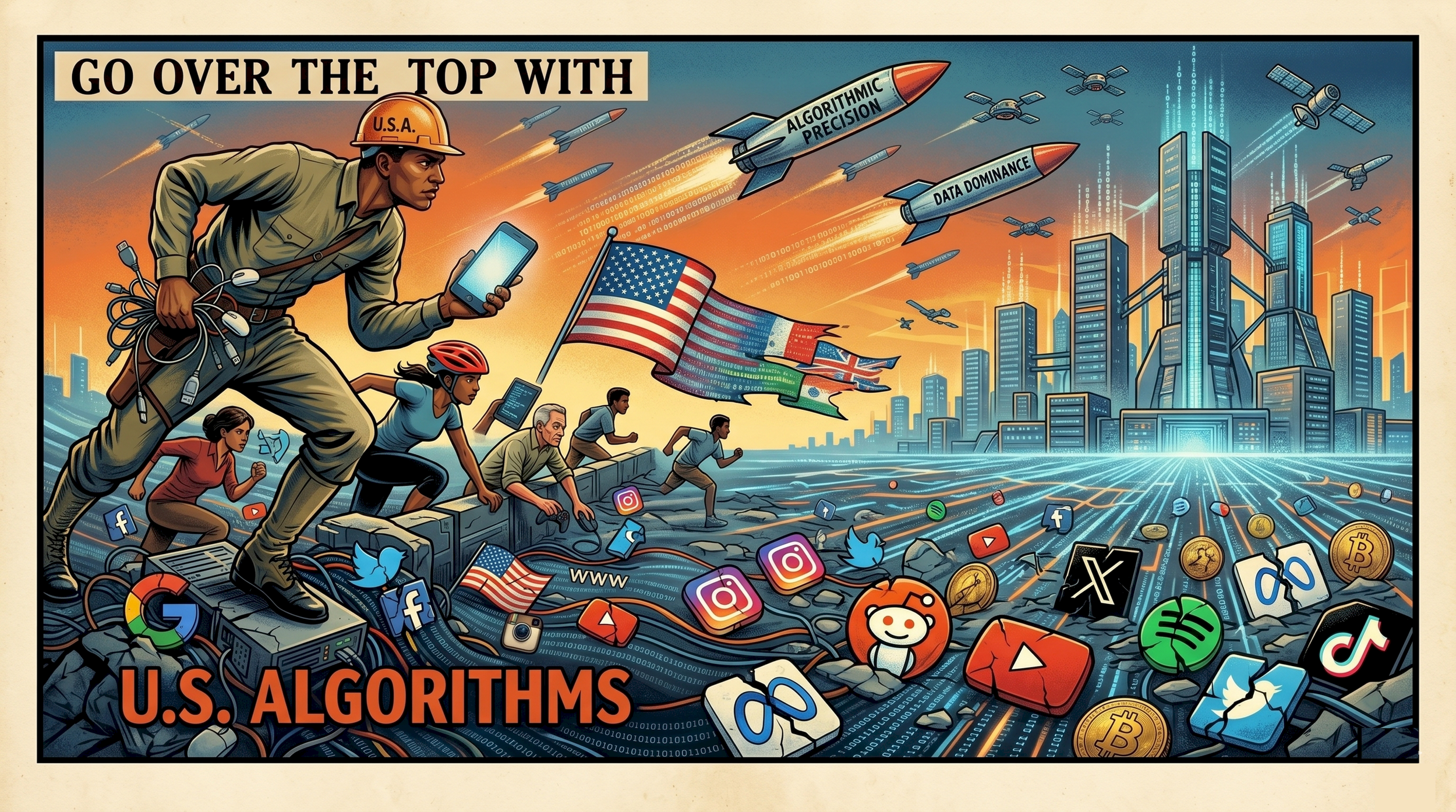
This exercise asks that you imagine the internet not as infrastructure but as people, as a human system, not as a technological system. Thanks to scientific endeavour, the field of psychology is advancing very rapidly. Never before have we possessed such a complete understanding of human behaviours, emotions and mental health.
60% to 70% of adults globally have experienced at least one traumatic event or Adverse Childhood Experience before the age of 18.
This is the basis of our argument; a global societal problem that we need to first acknowledge and then tackle when appraising how the internet should evolve. A core facet of psychology and attachment theory is that people are drawn to the safety of the familiar, even when that familiarity is not safe – their hard‑coded inner child.
If an infant's primary caregivers could not give adequate care or it involved mental or physical violence, the child will carry that complex through their life, usually unwittingly – potentially 5.5 billion people. Let that sink in. Not forgetting the 450 million people that go on to develop clinical PTSD (WHO).
Less than 7% of people worldwide receive effective treatment for mental health or substance abuse disorders. That’s a gap of 5 billion people.
It is very difficult to unpick trauma with a self‑help book, especially when most people don't know what they carry subconsciously, nor the self‑harm it invokes.
This is why I said that the vast majority of people on this Earth are navigating the internet with a zero‑day vulnerability. It’s not the internet reflecting people’s conscious choices, it’s the internet exploiting the majority’s unconscious suffering, by creating the familiarity of more suffering, interspersed with the occasional buzz of validation.
This is also why, when you hear a tech billionaire advocating for freedom of speech, you can call BS.
It's not about rights, it's about sending the majority of people “over the top” into a blaze of precise algorithmic machine‑gun fire, because that's what wins the profits.
It's not a reason for overzealous regulation either, because governments can't help but shoot themselves and us in the feet with poorly conceived rules that mangle duty‑of‑care to citizens.
Education systems are being stretched to breaking point and in desperate need of overhaul. Judging by the facts and the psychological gap we describe, parents must demand that their children deserve structured access to foundational psychological syllabus. Restoring maths, language, science and humanities as the basis of civilised human education.
Turning over their phones won’t be sufficient. A war on phones will be as effective as the war on drugs. Education and training for self‑reliance is essential to de-escalate the internet. more so than any kind of AI skills.
This is why corporations like Meta are unforgivably transgressive in my estimation – it's the same “guns don't kill people...” Americanism, but over the past twenty years it has been allowed to dominate the worldwide web, because awareness and wisdom always lags opportunism and enterprise.
𝗖𝗵𝗼𝗼𝘀𝗶𝗻𝗴 𝘁𝗼 𝗿𝗮𝗶𝘀𝗲 𝗴𝗲𝗻𝗲𝗿𝗮𝘁𝗶𝗼𝗻𝘀 𝗳𝗹𝘂𝗲𝗻𝘁 𝗶𝗻 𝘁𝗵𝗲𝗶𝗿 𝗼𝘄𝗻 𝗶𝗻𝘁𝗲𝗿𝗶𝗼𝗿 𝘄𝗼𝗿𝗹𝗱, 𝗺𝗲𝗮𝗻𝘀 𝗮𝗻 𝗶𝗻𝘁𝗲𝗿𝗻𝗲𝘁 𝘁𝗵𝗮𝘁 𝗶𝘀 𝗹𝗲𝘀𝘀 𝗹𝗶𝗸𝗲 a 𝗯𝗮𝘁𝘁𝗹𝗲𝗳𝗶𝗲𝗹𝗱 𝗮𝗻𝗱 𝗺𝗼𝗿𝗲 𝗹𝗶𝗸𝗲 𝗮 𝗽𝗹𝗮𝗰𝗲 𝘄𝗵𝗲𝗿𝗲 𝗽𝗲𝗼𝗽𝗹𝗲 𝗰𝗮𝗻 𝗮𝗰𝘁𝘂𝗮𝗹𝗹𝘆 𝗳𝗹𝗼𝘂𝗿𝗶𝘀𝗵.
(PS The Fourth Way of Futurism is our tiny contribution to that goal)
© 2026 Oliver Spalding. All rights reserved. HITMXE® is a registered trademark of Oliver Spalding.
This post is licensed under a Creative Commons Attribution. You may share this content with attribution, but not modify or use it commercially without written permission