

Can the UK escape its own mind trap?
I returned to the UK last August. In the five months I've been based here, I would describe the mood as bleak. Entering into 2025, I set about trying to understand why. Is the economy really as bad as what I see, read and hear? What promise do the years ahead hold? The article is based on an analysis of the UK using ten macro-economic data points versus the world's top 30 economies.
How to find focus - part one
Are you suffering from a crisis of meaning? You are actually one of the lucky ones. It might not feel like it, but it’s a sign that you have more resources to make lasting change. Introducing Meaningful Transformational Focus: how to keep your eyes on the prize in a world that incentivizes divisive posts and viral negativity.
Digital agency extinctions
In the last 25 years, USD $10-15 billion was pumped into acquiring the gold standard of digital, experience and design businesses ($13-25bn adjusted for inflation). Yet more billions into undisclosed deals. If they weren’t already part of a brave new future for clients and reshaping the industry for agency groups, then what happened?
How to respond to difficult situations.
In the era of the unfixable problem, what if we consider difficult scenarios in a more human, relatable way? Can this help us to resolve the least bad outcome, survive, reconnect and recover? - cons versus cons is one such technique. It is simple, universal. It doesn’t require training, only courage.
Banning social media for young people
On November 28 2025 under 16s will be banned from social media in Australia. As a short-term measure that makes Big Tech gatekeepers sit up and take notice, it could make a difference, if other countries follow suit. That would allow time to develop a more coordinated, evidence-based and systemic solution.

An appeal to the media
It must be so tempting to simplify human mindsets down to binary thinking, where a person sees issues in one of two opposite and mutually exclusive ways, also known as the 'either-or fallacy' or the false dichotomy. This has been accelerated by progressive cognitive overload, thanks in no small part to the content supply chain and success of clickbait. If you can’t beat them join them, right?
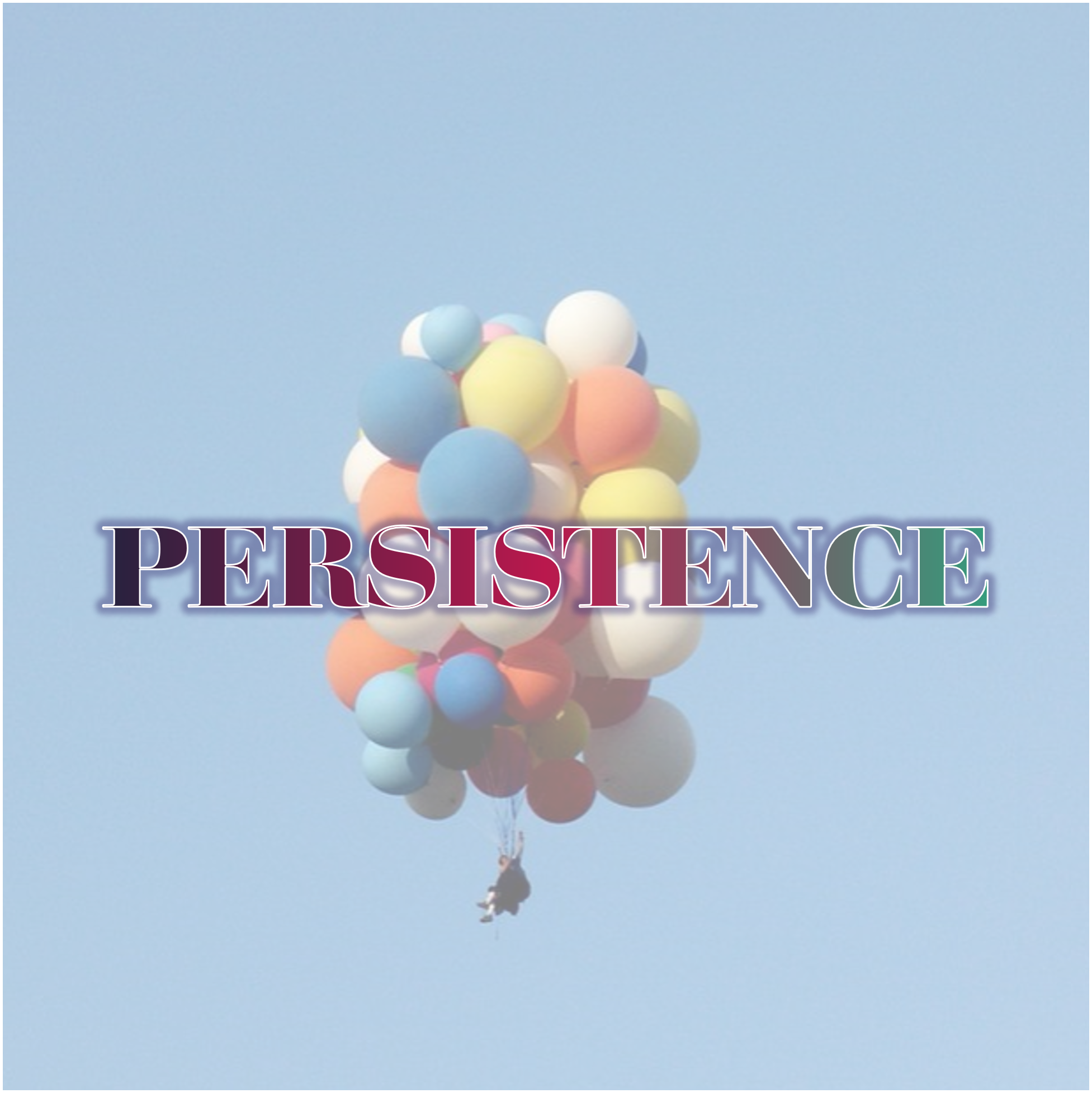
How to make your own luck with persistence.
How many times have you seen people give up just as they were about to make a breakthrough? Persistence means pushing through challenges, setbacks, and failures, even when it feels impossible. In those Sisyphean-feeling moments when we might consider giving up, what could be a simple reminder about the opportunity of persistence?
How to start your team’s creative journey
What is the role of divergent thinking in creativity. Where does it comes from and how to encourage it? Building high performing creatively skillful teams has to mean more than just combining skills and specialisms. It requires understanding how different people respond to problems on a personal level.
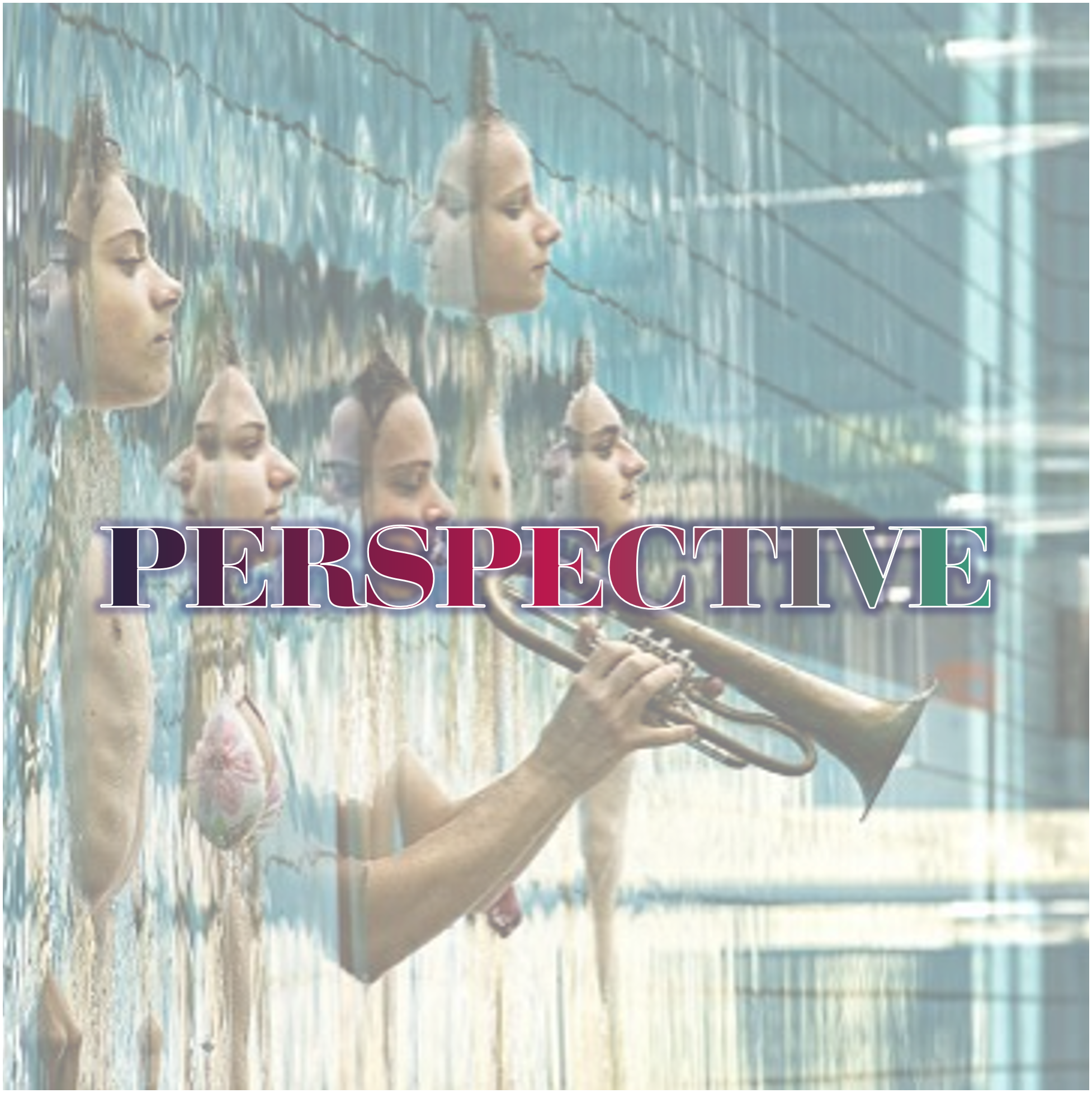
How sentiment is devolving from reality.
Since there is a growing body of scientific work on how our brains perceive subjective reality - science man everyone likes - Brian Cox said it neatly "everybody has a different perspective on life, and none of those perspectives are right. They are just multiple perspectives". Representing the voice of business and brands, the current descent into distortion revolving around post-pandemic online lives, should raise a dire need for self-reflection.
![The [In]Attention Economy](https://images.squarespace-cdn.com/content/v1/65d2d644d2a6837e1467f804/1733818915046-LTDBH92MWMBYH0N0EOSG/Picture6.png)
The [In]Attention Economy
In humans, attention-seeking can be an ugly behaviour. In the attention economy, we see pretty clear signs that ugliness is still on trend. If attention is a commodity and everyone is trying to win it, then that's more cost than profit. Instead of seeking attention as an opportunity for short-term profit, seek connection as an opportunity for longer-term growth. Instead of capturing more attention, ask how do we create better focus?
State of the ART
Thanks to Mediacorp for hosting a second session of Future Proof// and Guan Hin Tay for being a great co-presenter. From government agencies last month, to a packed theatre of brand-side marketing audiences this time round. This was one of the most enjoyable keynotes I’ve done in recent years, because it felt real and hopeful.